
Formula 1 pistons exemplify the pinnacle of engineering precision, where every micron matters. These components, often costing over $66,500 each, are meticulously designed and manufactured to endure the extreme conditions of F1 racing.
1. Intentional Ovality for Thermal Expansion
Contrary to the common perception of pistons being perfectly circular, F1 pistons are intentionally machined with an oval shape. This design anticipates the deformation that occurs under the immense heat and pressure of combustion, ensuring that the piston becomes perfectly circular during operation. This approach prevents issues like inconsistent bore clearance and potential seizure.
2. Micron-Level Tolerances
The tolerances in F1 piston manufacturing are incredibly tight, often within 10–20 microns. To put this into perspective, a human hair is approximately 70 microns thick. Such precision necessitates machining in temperature-controlled environments, as even the heat from a human hand can cause expansion beyond acceptable limits.
3. Advanced Manufacturing Techniques
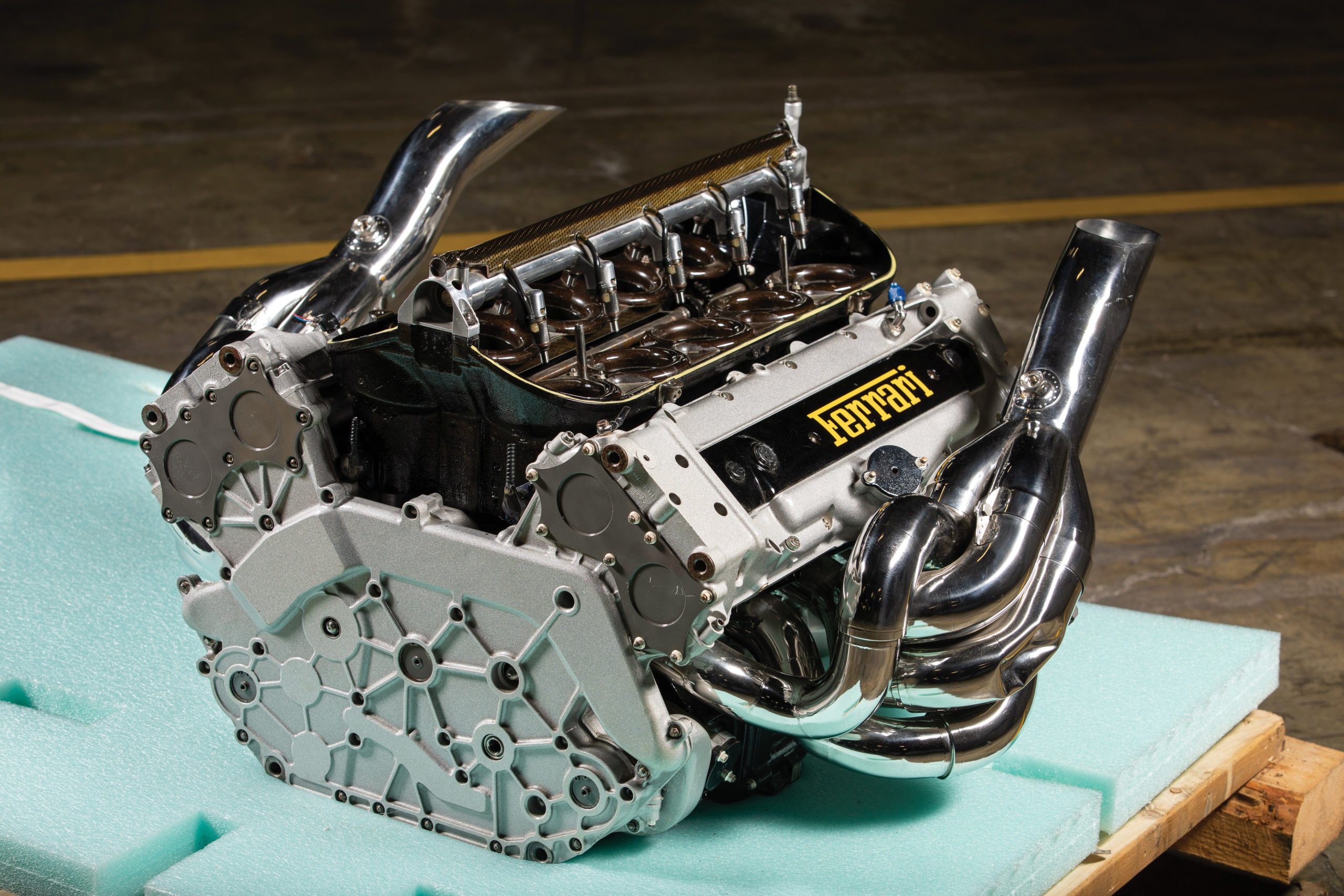
The production process involves high-pressure forging of aluminum alloys, followed by precision machining using 5-axis CNC machines like the DMG DMU50. These machines, weighing around 7.5 tonnes, achieve the necessary tolerances and complex geometries required for optimal piston performance.
4. Material Selection and Coatings
Materials like the A2618 aluminum alloy are chosen for their strength and thermal properties. Post-machining, pistons often receive coatings such as Diamond-Like Carbon (DLC) to enhance wear resistance and reduce friction.
5. Design Considerations for Load Management
F1 pistons are engineered to withstand extreme conditions, including:
- Operating at engine speeds up to 20,000 RPM.
- Minimizing weight to enhance acceleration and reduce inertia.
- Enduring high combustion temperatures without deforming.
- Accommodating side loads during the power stroke, which can cause the piston to tilt or rock within the cylinder bore.
Additionally, the wrist pin bore is often designed with a slight curvature to account for deflection under load, ensuring optimal alignment and performance.

The meticulous design and manufacturing of F1 pistons highlight the extraordinary lengths engineers go to achieve perfection. These components are not just functional parts; they are masterpieces of engineering, embodying the relentless pursuit of performance and precision that defines Formula 1.
I hope this weekend detour inspired a new level of precision in your data work!
Post a comment here if you would like to see some of this style data work.
 DataIsMyMiddleName
Leave a comment